Intertidal zonation and common species
Last updated May 4, 2026. This brief describes repeating biological bands on wave-exposed rock from southern Vancouver Island to mid-coast fjords, using terminology found in intertidal ecology literature rather than casual shorthand.
Band structure and physical drivers
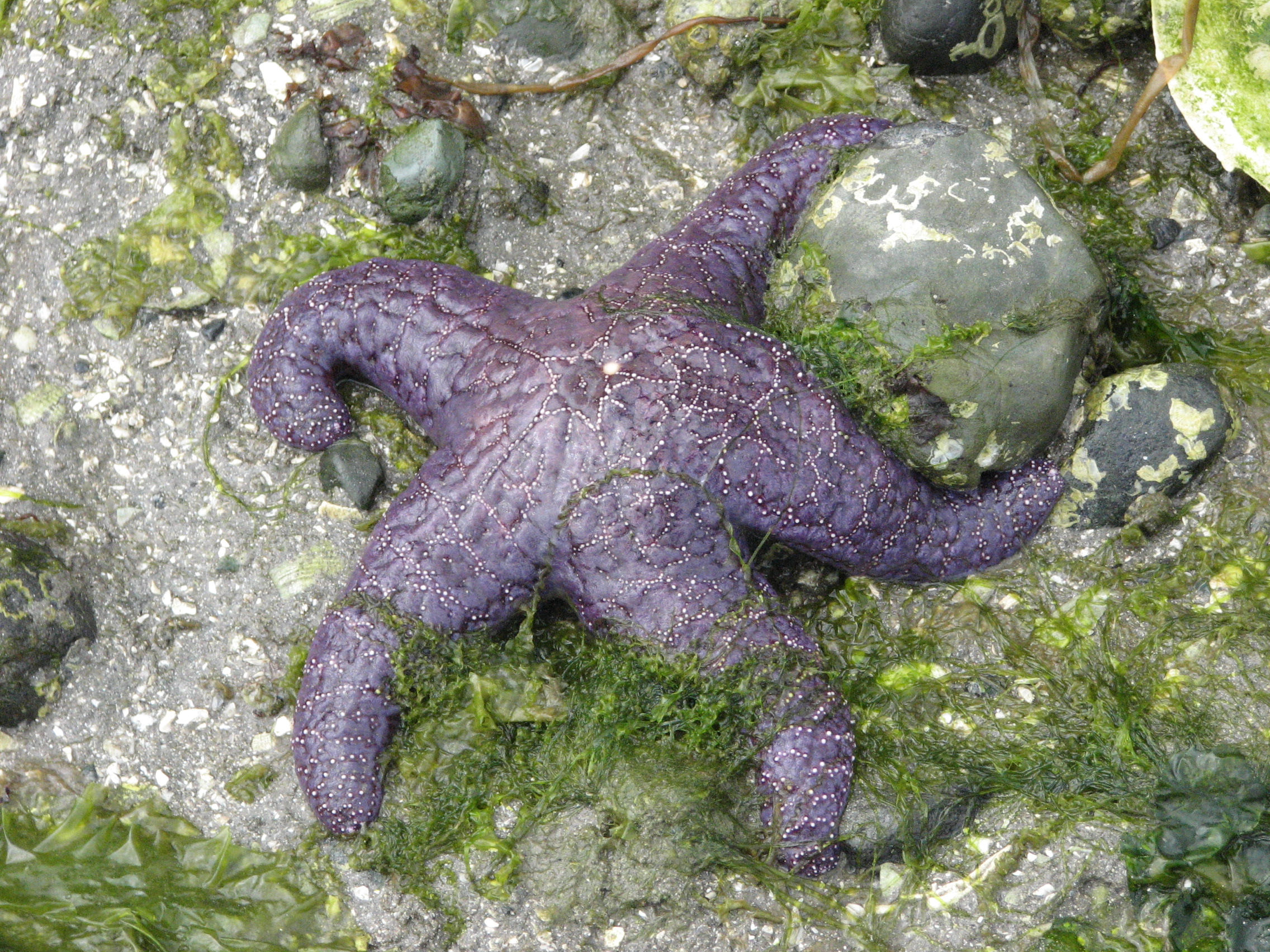
The upper splash zone carries pelagic lichens and small grazing snails with limited immersion time. Below that, the high intertidal alternates between longer dry phases and short inundations; barnacle matrices dominate where scrape counts remain elevated. Mid-intertidal benches frequently pair mussel monocultures with predatory sea stars; where ochre sea stars were historically abundant, mussel edges appear more ragged and species counts shift toward mobile grazers.
Tide charts versus field timers
Canadian Hydrographic Service predictions reference chart datum. Local apparent tide can sit above published heights during low-pressure systems; build at least thirty minutes of safety margin when sampling below mean high water on unfamiliar shores.
Taxa commonly cited in transects
- Pisaster ochraceus — ochre sea star; remains a structural predator where populations recovered after wasting events.
- Mytilus californianus — California mussel; defines a sharp band where attachment strength outcompetes surfgrass on steep faces.
- Fucus distichus — rockweed; signals reduced bare-rock scrape in protected pockets.
Link-out references
Species listings and regional fishery measures appear on the Fisheries and Oceans Canada species hub. Status schedules change; verify current prohibitions before collecting specimens.