 Intertidal
Intertidal zonation and common species
Band structure, keystone consumers, and rapid sketch methods for winter tides.
This community news-style archive summarizes intertidal biology, nearshore habitat cues, and practical distance rules when visiting rocky shorelines in British Columbia and neighbouring Pacific waters. Material cross-checks published federal guidance on marine mammals and park regulations.
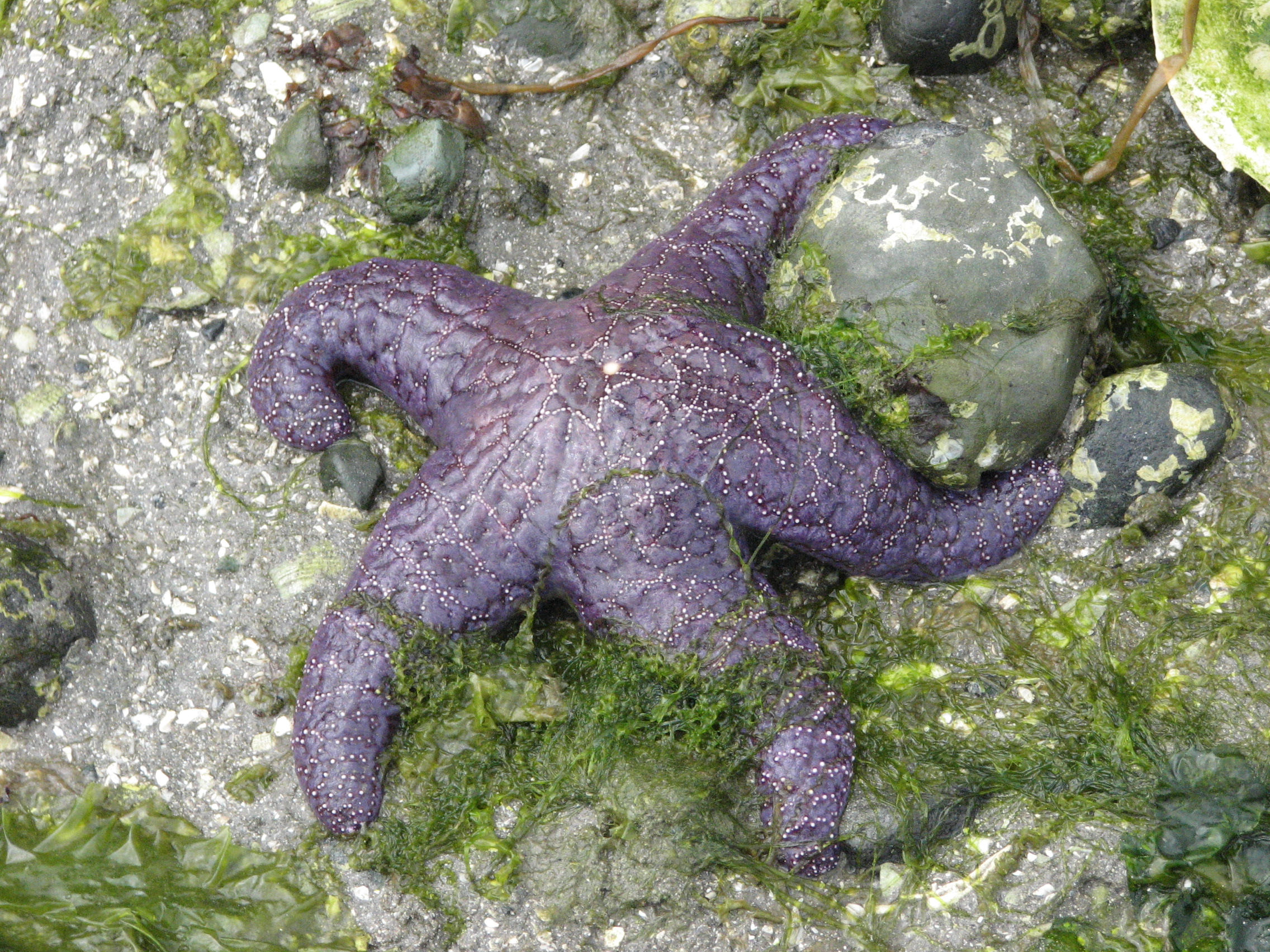
Species packing along the vertical shoreline gradient remains the quickest way to anchor species lists during low water. The ochre sea star and associated mussel beds still define mid-intertidal bands on open coasts from Oregon through Haida Gwaii. Tracking cast spacing against tidal height reduces duplicate entries when compiling comparative transects.
Open the briefEach file stands alone with citations to federal references where species status or protected areas matter.
Intertidal
Band structure, keystone consumers, and rapid sketch methods for winter tides.
 Shoreline
Woody debris, salt marsh fingers, and pocket beaches under varying fetch.
 Field practice
Approach limits for pinnipeds, seabird colonies, and tidal timing hazards.
Media insights on this page emphasize repeatable measurement language rather than anecdote. When federal refuge zones apply, this archive links out rather than restating legal text.
Above the salicornia zone, storm berms concentrate plastic fragments alongside natural cordgrass stems. Photographing wrack composition against metre stakes gives a consistent photo series after southeasterlies along the Strait of Georgia. Pair those frames with beach elevation profiles from provincial shoreline spatial data when arguing for localized erosion responses.
Continue to habitat briefChart datum differs from local apparent tide by several decimetres; verify against Canadian Hydrographic Service tables before committing sampling windows.
Estuarine mud reduces visibility for burrowing bivalve counts after freshet; postpone destructive sampling until conductivity stabilizes.
Short fetch inside inlets cuts wave energy but lengthens cool-air exposure for shore visitors—layer accordingly.
Harbour seals and Steller sea lions fall under species listings and marine mammal regulations enforced by Fisheries and Oceans Canada. This archive points readers to the Marine Mammal Regulations and relevant conservation measures rather than paraphrasing statutory distances.
DFO marine mammals overviewSubmit a name, telephone number, and email address for follow-up about factual corrections. This static site does not store submissions on a server.
Briefs are dated at publication. Minor numeric edits happen when federal tables change; major rewrites receive a new date line in the opening paragraph.
Privacy & cookies